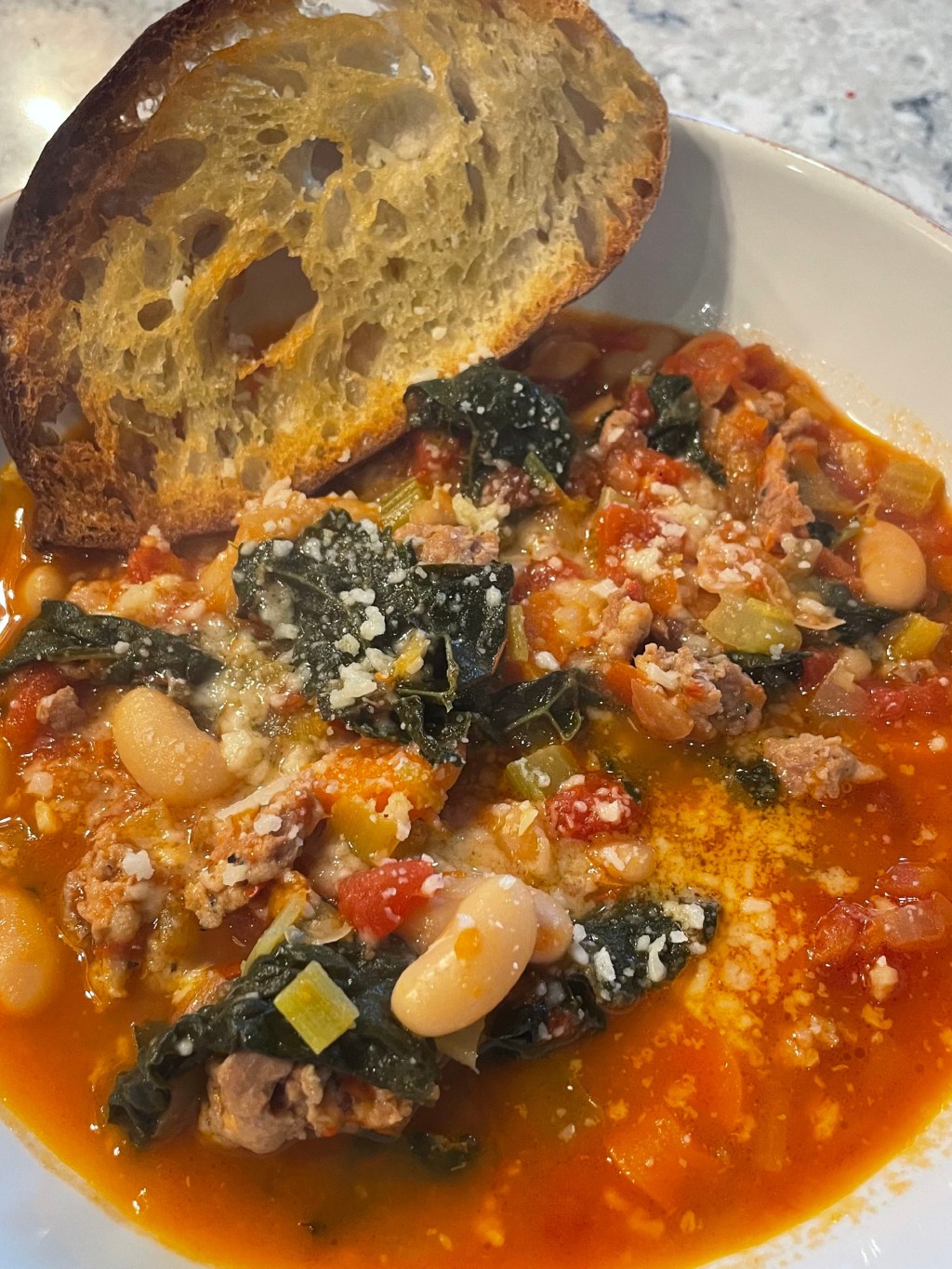
One of the most important lessons I learned in Italy had nothing to do with a specific recipe. It was about respect.
Respect for time.
Respect for ingredients.
Respect for the work it takes to grow, harvest, and prepare food.
In the kitchens of Artena, nothing was wasted. Bread that had hardened was never thrown away. Vegetables that had softened slightly were never dismissed. They were simply transformed.
Cooking intentionally means seeing possibility where others see scraps.
Here are two simple ways to bring that mindset into your own kitchen.
Stale Bread Becomes Breadcrumbs
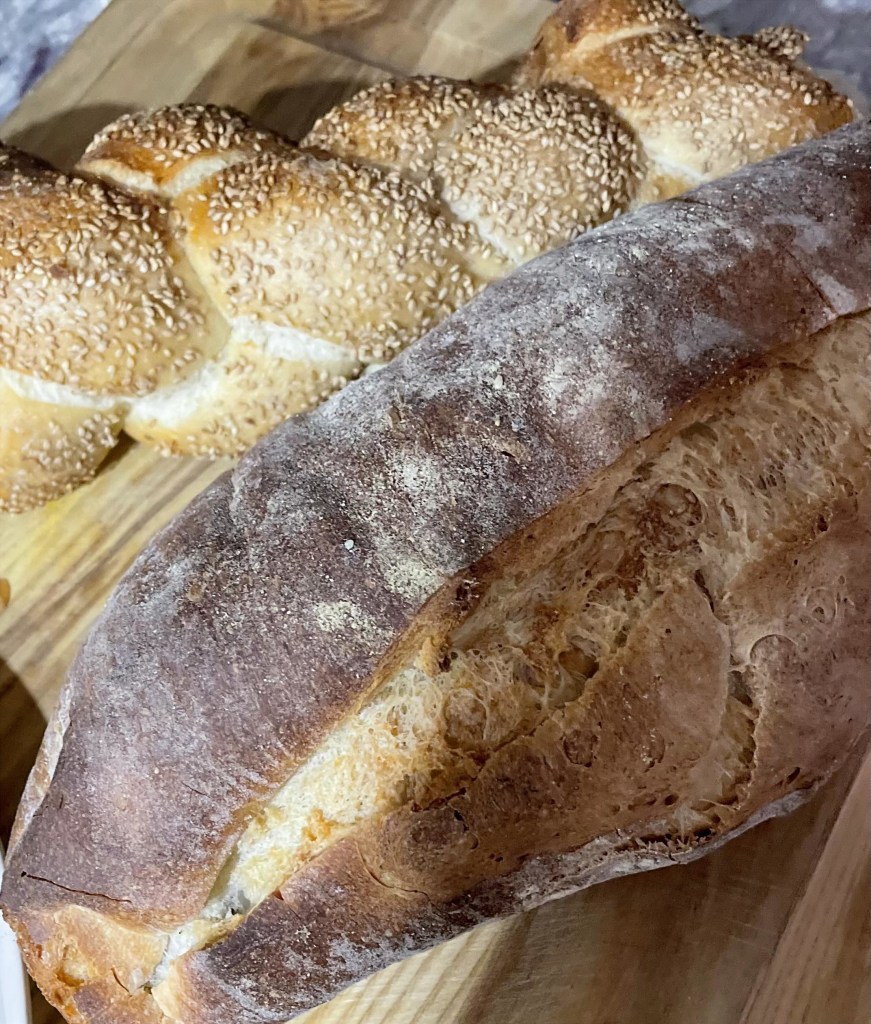
If your bread is dry but not moldy, it still has purpose.
How to Make Fresh Breadcrumbs:
- Preheat your oven to 300°F.
- Break the bread into chunks and spread on a baking sheet.
- Toast for 10–15 minutes until completely dry (not browned).
- Let cool, then pulse in a food processor until fine.
Store in an airtight jar for up to two weeks or freeze up to 6 months.
These breadcrumbs can be used for:
- Topping baked pasta
- Coating chicken or vegetables
- Mixing into meatballs
- Adding texture to roasted vegetables
You can even add dried herbs, garlic powder, or grated parmesan for extra flavor.
Simple. Useful. No waste.
Dated Vegetables Become Stock
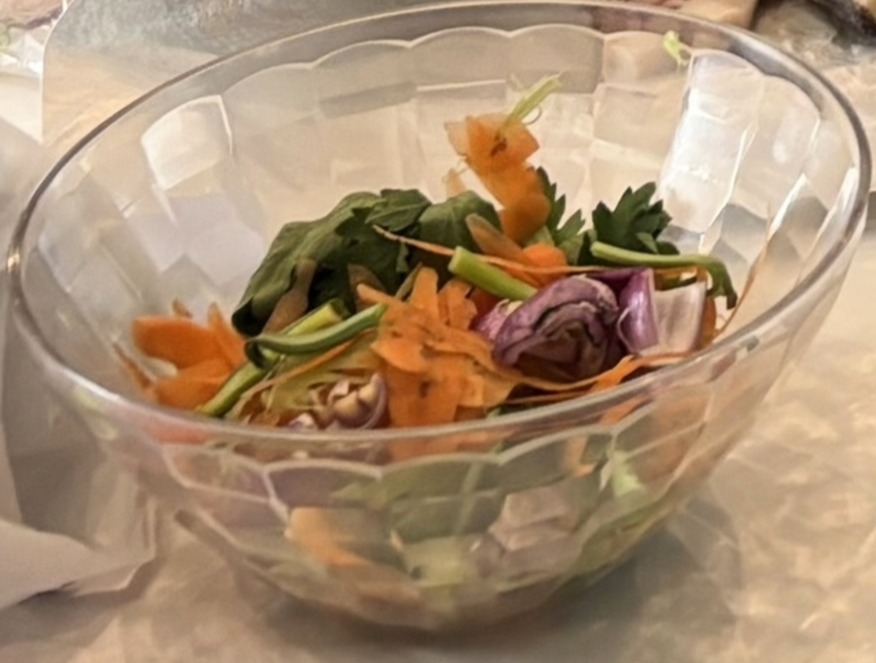
Vegetables that are slightly wilted — carrots that have softened, celery that has lost its snap, onion layers that need trimming — are perfect for stock. As long as they are not moldy or rotten, they still carry deep flavor.
How to Make a Simple Vegetable (or Chicken) Stock:
- Roughly chop:
- Carrots
- Celery
- Onion
- Garlic
- Herb stems (parsley, thyme, fennel tops)
- Add to a large pot with:
- A drizzle of olive oil
- A pinch of salt
- Enough water to cover
- Simmer gently for 45 minutes to 1 hour.
- Strain and store in the refrigerator from up to 5 days or freeze for later.
*For chicken stock, add leftover bones or a roasted chicken carcass and simmer 1½–2 hours.
*For added depth, immersion blend some of the veggies like carrots, celery, onion, potato etc. It’s a nice way to keep more vitamins in the broth.
That broth becomes:
- Soup for any recipe
- Risotto base
- Pasta sauce enhancer/thinner
- A simple bowl with fresh pasta and grated cheese
It is depth created from what might have been discarded.
Cooking this way changes something.
It slows you down.
It makes you look twice at what you already have.
It reminds you that flavor often comes from patience, not excess.
At Saporito, this philosophy shapes everything — from handmade pasta to slow-simmered marinara. Nothing extravagant. Just intentional.
Before you throw something away this week, pause.
There may be another meal waiting inside it.
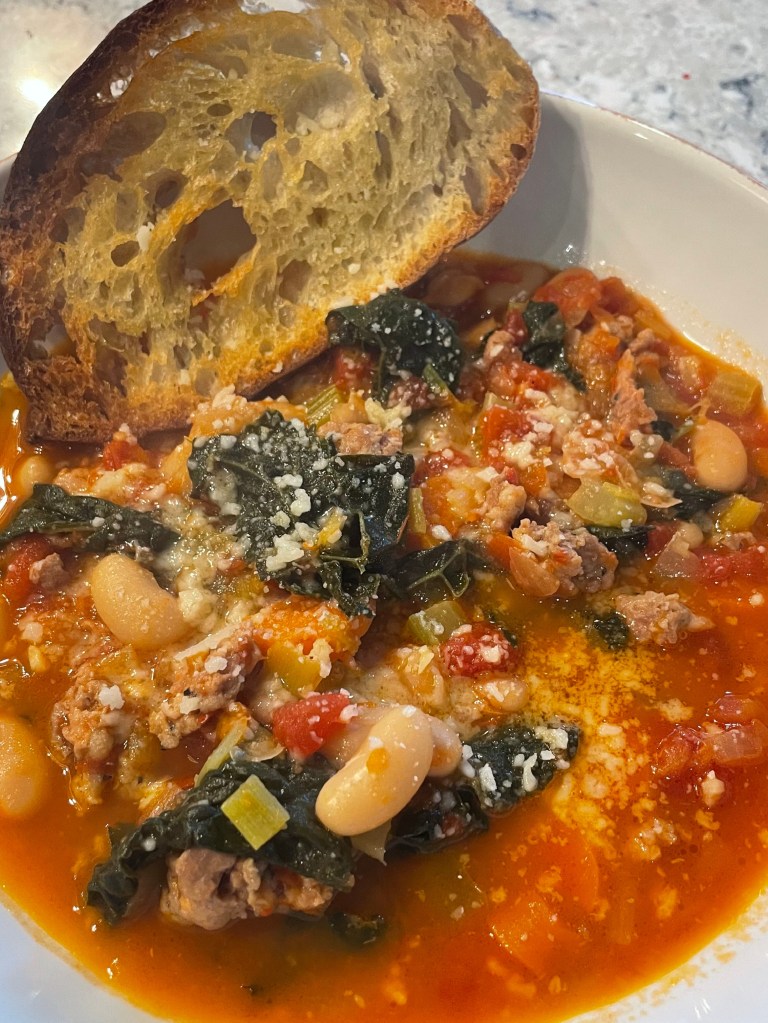
…like a delicious Tuscan White Bean and Sausage soup. Look for the Recipe!
 fresh pasta
Leave a comment